It all starts here.
With the new day comes new strength and new thoughts.
John Kevin Ceasar S. Palay was born on Philippine Day of Valor year 2001, in Puerto Princesa City, Philippines. He grew up to an average can-afford family with his parents and grandparents working as head officers at the municipal institution. His childhood years were spent productively in Taytay, Palawan, until a very sudden event occurred which made him and his mom transfer to Rio Tuba, Palawan (don’t worry, it’s not a family conflict XD).
He studied at Leonides S. Virata Memorial School since fourth grade until 12th. And as expected, doors of opportunities were opened for him all throughout his stay in this school—encounter with people of different organizations, involvement to fun socio-civic, environmental, and physical activities, participation to extreme academic and enlightening co-curricular events, and leading the student body as the president for two years are just some of them.
Likewise, similar to typical Filipino youths, he is open to making friends with people around the globe. During leisures, he plays Table Tennis, reads Biology and Chemistry books (LOL this is just 0.5% of my daily routine), and watches horror, innovation, court, and medical-themed movies. Further, he affirms that one’s destiny is up to his heart, while one’s fate is influenced by his determination. One more thing, OXFORD COMMA is very essential for him; don’t mess up!
ABOUT THE BLOGGER

“It’s on the strength of observation and reflection that one finds a way. So we must dig and delve unceasingly.”
Claude Monet
Uncommonly Used Filipino Terms
Sa mahabang kolonisasyong dinanas ng Pilipinas, hindi maipagkakailang napakaraming impluwensiya ang naangkop ng mga Pilipino mula sa mga dayuhan. Isa sa mga pinakakonkretong halimbawa ang wika; bagamat mayroong sarili, hindi ito masyadong tinangkilik ng masa dahil kasabay nitong umiral and wikang Ingles at Espanyol: ito ang nagtulak sa sambayanang Pilipino upang maging multilinggwal o maalam sa iba’t ibang piling wika. Upang makabuo ng sariling identidad ang Pilipinas matapos ang paglaya nito sa kamay ng mga mana, nagdesisyon ang republika na hirangin ang Filipino bilang pambansang wika.
[In the long colonial state of the Philippines, it is undeniable that a lot of foreign influences have arisen and been adapted by the Filipinos—specifically the language. Although Philippines has its own existing language, it was not patronized by the people for English and Spanish coexisted at the same time. This fact urged Filipinos to be multilingual and be language-diverse. For that reason, in order to build and strengthen Philippines’ identity after the declaration of its independence from the colonizers, its republic hailed Filipino as the national language.]
Filipino ang opisyal na pambansang wika ng Pilipinas alinsunod sa Artikulo XIV Seksyon 6 ng 1987 Philippine Consitution. Ang batas na ito ay nagpapahayag na bilang wikang pambansa, ang Filipino ay dapat pagyabungin at pagyamanin pa gamit ang umiiral na wika sa Pilipinas maging sa iba pang mga bansa.
[Filipino is the official language of the Philippines as referred to in the Article XIV Section 6 of the 1987 Philippine Constitution. This law indicates that Filipino, as the official language, shall be sustained, developed, and enriched on the basis of existing language in the country and other nations.]
Dahil dito, mayroong mga pag-aangkop mula sa wikang banyaga—partikular ang wikang Ingles at Kastila—ang wikang Filipino. Ang mga ito ay kasalukuyang tinatawag o kinikilala ng mga Pilipino bilang hiram na mga salita (loanwords). Gayunpaman, mas maiging nagagamit ng mga ito ang mga salitang hiram kaysa sa mga orihinal na salitang Filipino.
[By that, Philippines considered foreign languages (particularly English and Spanish) in the development and improvement of its own. That is why, today, there are loanwords being used by mostly milenial Filipinos; and surprisingly, they make use of them way better than original Filipino words. ]
Upang mabawasan ang tinatawag na unfamiliarity o kakulangan sa pagkakilala sa mga salitang Filipino, narito ang sampung salitang Filipinong hindi mo aakalaing umiiral:
[To make you familiar with original Filipino words, here is a list of 10 (some) most uncommonly used Filipino words that you may not have imagined existed:]

1. Kagaw (Germs)
Isang organismong mikroskopiko sa laki, na binubuo ng isang selula o kumpol ng selula. Kadalasan itong tinatawag na mikrobyo.
[A microscopic-sized organism, existing with a single-cell or with a colony of cells. Usually, this is called microbes.]
Halimbawa (Example): Ang mga kagaw ay nakasasama sa ating kalusugan. (Germs are not good for our health.)

2. Initsigan (Thermodynamics)
Sangay ng pisika na nag-aaral sa paggalaw ng enerhiya at kung paano ito nakapagpapagalaw.
(Branch of physics that deals with the relations between heat and energy and energy and energy.)
Halimbawa (Example): Madalas nahihirapan ang mga mag-aaral sa initsigan. (Students think thermodynamics is difficult most of the time.)
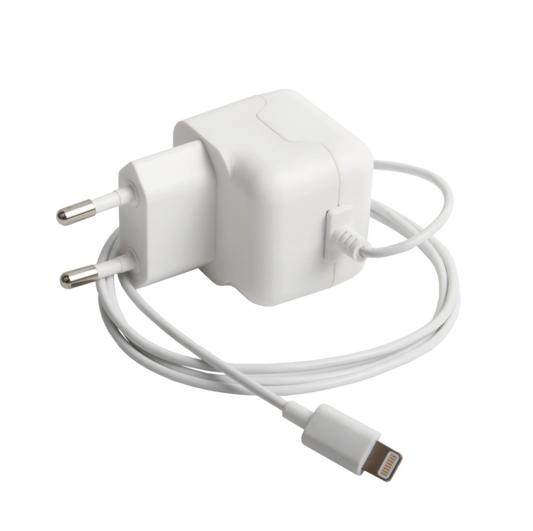
3. Pantablay (Charger)
Aparatong ginagamit upang makapagkarga ng enerhiya sa mga baterya.
(A device used to charge batteries.)
Halimbawa (Example): Hindi ko mahanap ang aking pantablay, kanina pa walang baterya ang cellphone ko. (I can’t find my charger, I’ve been low in battery for hours.)

4. Anakula (Captain/Ship’s Captain)
Tawag sa taong namamahala sa isang barko.
(The one who is in command of water vessels.)
Halimbawa (Example): Siya ang anakula ng barkong sinakyan namin papuntang Cebu. (He was the captain of the ship during our last Cebu trip.)
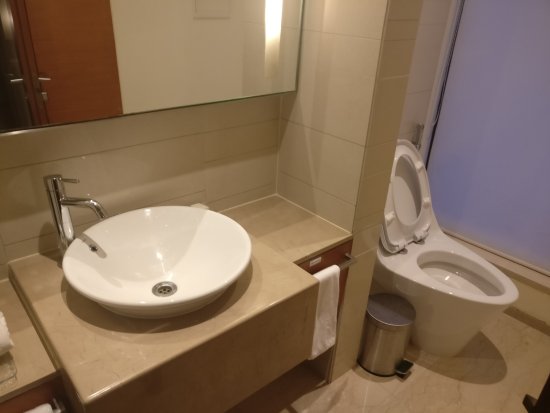
5. Batalan (Washroom)
Silid na naglalaman ng mga kagamitan sa paghuhugas, paglalaba, at pagligo.
(A room with washing and toilet facilities.)
Halimbawa (Example): Maria, kunin mo ang timba sa loob ng batalan. (Maria, please get the pail inside the washroom.)
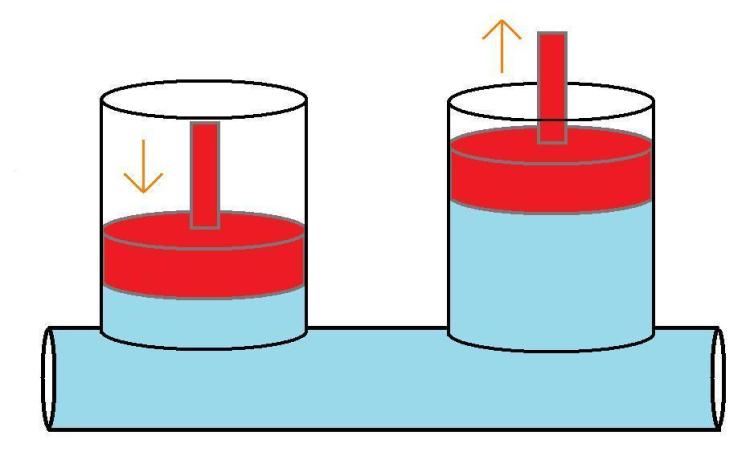
6. Danumsigwasan (Hydraulics)
Sangay ng agham na nakatuon sa mga praktikal na aplikasyon ng mga likido sa paggalaw.
(Branch of science concerned with the practical applications of fluids, primarily liquid, in motion.)
Halimbawa (Example): Napakalaking tulong ang hatid ng danumsigwasan sa buhay ng mga tao. (Hydraulics brings a lot of advantages to people’s lives.)

7. Magsimpan (Nurse)
Taong tagapangalaga ng mga may sakit.
(A person who provide and monitor patient care.)
Halimbawa (Example): Napaka-matiyaga ni Nena bilang isang magsimpan.(Nena is very resilient as a nurse.)
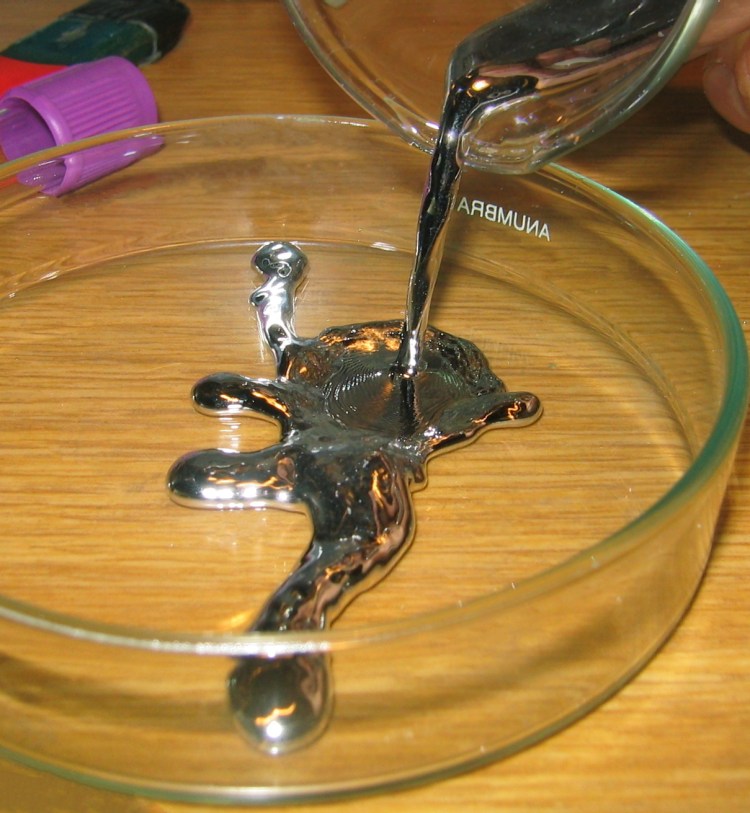
8. Asoge (Mercury)
Ang asoge ay isa sa anim na elementong kemikal na tila tubig sa pangkaraniwang temperatura at presyon.
(Mercury is one of the six chemical elements that are liquid at room temperature and pressure.)
Halimbawa (Example): May asoge ba sa ilaw? (Is there mercury in light bulbs?)

9. Kapnayan (Chemistry)
Ang tawag sa agham tungkol sa mga elemento at kompuwesto at kung ano ang gawain ng mga ito.
(The science that studies about elements, compounds, and thei changes they undergo during a reaction.)
Halimbawa (Example): Ang buhay ay nababalot ng kapnayan. (Chemistry is all around us.)

10. Awanggan (Infinity)
Ang kawalang-hangganan o kawalang-wakas ng panahon.
(The boundlessness or endlessness of time.)
Halimbawa (Example): Mamahalin kita hanggang sa dulo ng awanggan. (I will love you infinitely.)
I-check ang video na ito:
(Check this out!)
Mga pinagkunan ng mga larawan:
(Photo Sources:)
- futurelearn.com
- gcaptain.com
- onhealth.com
- livescience.com
- defdriving.wordpress.com
- fractalenlightenment.com
- matrixcare.com
- tripadvisor.com
- dice.bg
- ericflint.fandom.com
 Kevin’s